


Quick answer: On Financial Audit, a 24-year-old guest named John said he had $20,570 in collections from credit cards he ran up at 18 and 19. Caleb Hammer's plan: pay off the bike, build savings to about $3,000, negotiate the collections from smallest to largest, then live on a 50/30/20 budget with 20% going into a low-cost index fund.
Source: Caleb Hammer, "I Finally Snapped | Financial Audit," clipped as a YouTube Short.
How the debt started
John says the trouble started early. "When I was 18, my mom and dad opened up credit cards for me and told me to start spending money on them and paying it off as I started working."
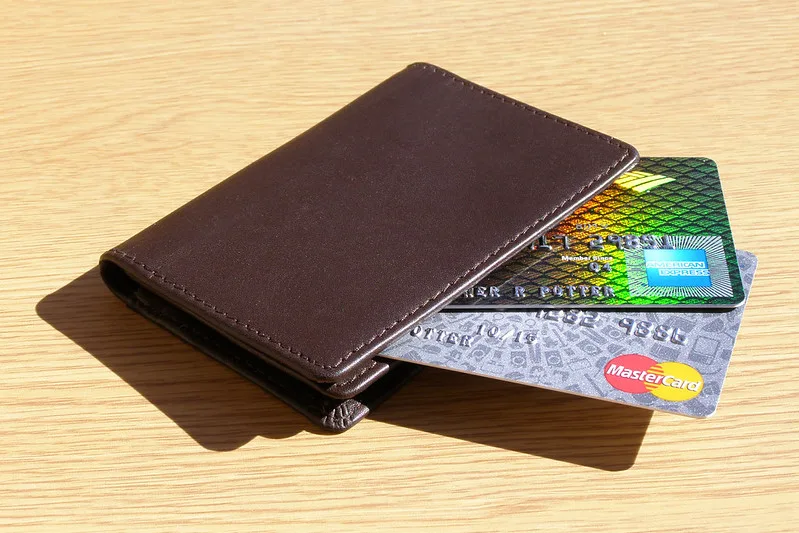
That didn't work out. Caleb points to the screen: $20,570 in collections. John calls them "mistakes that I made when I was 18 and 19 years old." When Caleb asks why he isn't paying them, John says, "I've been living paycheck to paycheck for the last 6 years."

The math
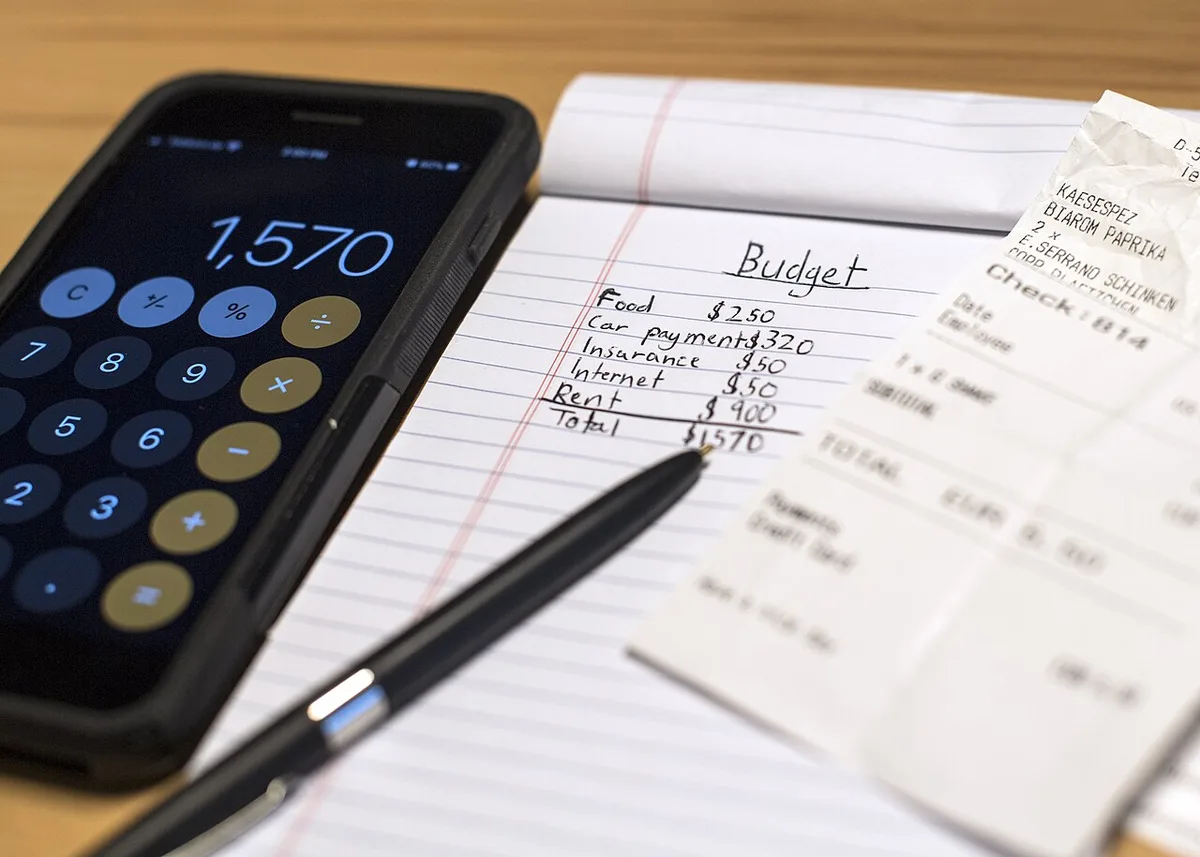
Caleb goes through the numbers. John needs about $3,274 a month to cover his basics and makes about $4,166. Caleb adds that a second job, "instead of going out all the time," could bring in more. "Either way," he says, "let's conservatively say $800 is left on a monthly basis."
Here's the plan, in order:
- Pay off the bike. At about $800 a month, Caleb says it's gone in about 10 months.
- Build the cushion. John has about $1,500 saved. "That's definitely not good enough," Caleb says. He wants it at about $3,000, which takes only a couple more months.
- Negotiate the collections, smallest to largest. "Try to pay them half or get on a payment plan with them," he says, before "someone sues you." Going one at a time means small wins come early.
- Then go to 50/30/20. Once the collections are handled, Caleb wants John on the familiar budgeting rule: 50% for needs, 30% for wants and 20% for the future.
Why the 20% goes into index funds
Caleb is specific about the last part. The 20% should go "to a low-cost index fund cuz you need to retire at some point," he says. "A high-yield savings account is not going to get you there."
That's a common view among personal finance educators. Savings accounts are good for an emergency fund, while long-term retirement money is usually invested. Caleb also jokes that the 30% for wants is "a lot of spending on beer and going out."
The takeaway
The plan isn't fancy. It's a set order of steps: finish one debt, build a small safety net, then settle the old debts one by one. For anyone who's lived paycheck to paycheck for years, that order is the point. Every step frees up money for the next one.
John's answer at the end: "Gotcha. Understood."
This article is for general information only and is not financial advice.

More on RealNameOf:
- Caleb Hammer on why a guest has no savings
- Caleb Hammer on the unpaid veneers
- Podcasters' real names
FAQ
How much was the guest in collections? $20,570, from credit cards he says he used at 18 and 19.
What order did Caleb Hammer suggest? Pay off the bike, build savings to about $3,000, then negotiate collections from smallest to largest.
What is the 50/30/20 rule? A budgeting rule that puts 50% of income toward needs, 30% toward wants and 20% toward savings or investing.
Where did Caleb say to invest the 20%? In a low-cost index fund, not a high-yield savings account.