


Quick answer: Scott Scurlock, the 1990s Seattle bank robber known as "Hollywood," got his nickname from the theatrical makeup and prosthetics he wore during robberies. On the Julian Dorey Podcast, retired FBI agent Shawn Johnson and former crew member Steven Meyers describe how the fake faces made public tips useless, and how, they say, the whole disguise came off in seconds after a job.
Source: Julian Dorey Podcast, "FED vs. SUSPECT - The Most INSANE Robbery Conspiracy You've NEVER Heard of," clipped as a YouTube Short.
Who was "Hollywood"?
William Scott Scurlock, who went by Scott, was born March 5, 1955. Starting in 1992, he robbed a string of Seattle-area banks, more than a dozen in about four and a half years, and took almost $2.3 million in total, according to HistoryLink, Washington state's online history encyclopedia. That made him one of the most prolific bank robbers in U.S. history.
Investigators called him "Hollywood" because of how he looked during the robberies: heavy stage makeup, fake noses and other latex pieces that changed the shape of his face. Steven Meyers, a sculptor who knew Scurlock, joined the crew and helped improve the prosthetics. Today Meyers tells the story alongside the agent who chased them.
Why the photos didn't help
Shawn Johnson was the FBI agent working the case. In the clip he explains that he did what investigators usually do and put the surveillance pictures in the paper. The calls came in, but they pointed the wrong way.
"I got calls saying I know who that guy is," Johnson says. When he asked how, the caller would say someone looked just like the man in the photo. "Then that's not him," Johnson says. "He's wearing a disguise."
According to the pair, in the disguise Scurlock looked almost exactly like Mel Gibson in his 40s. That's their description, but it shows the problem. The public was looking for a face that didn't really exist.

A face in pieces
Meyers describes a studio full of spare parts. "He had many noses, many cheeks, many chins, many foreheads," he says, so the disguise could be put together in different ways.
The getaway, as Meyers tells it, was just as planned. Scurlock carried two plastic bags. One held soap and water, and the other held a rag soaked in mineral spirits. After leaving a bank, he wiped his face with the mineral spirits and "everything came off," then scrubbed with soap and water. Underneath he had black curly hair, and he pulled on a yellow city worker vest.
The disguise made him hard to identify, but it also made him easy to recognize. "When the description came out on any of the robberies with the facial disguise," Johnson says, "we knew immediately. That's Hollywood."
How it ended
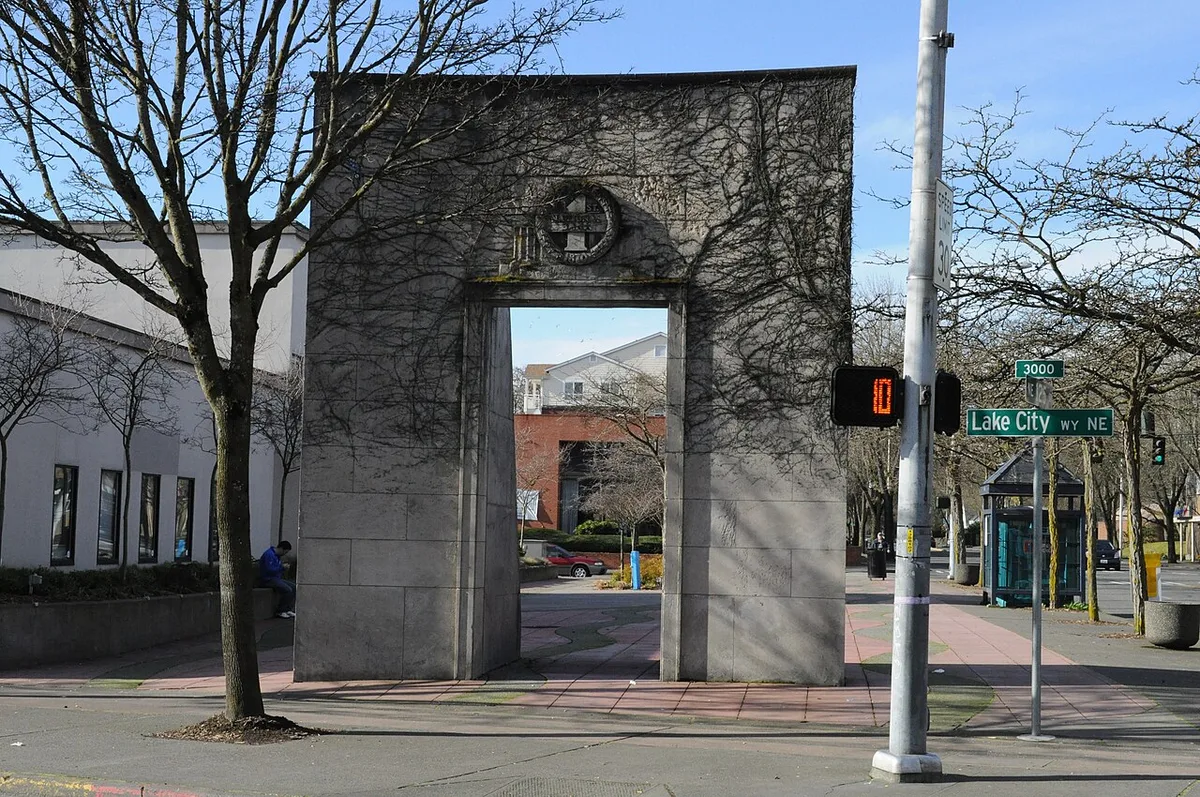
The last robbery came on November 27, 1996, at a Seafirst Bank branch on Northeast 125th Street in Seattle's Lake City neighborhood. The crew got away with about $1.08 million, but a chase and shootout followed. Meyers and the third man, Mark Biggins, were wounded and captured. Scurlock escaped on foot and hid overnight in a small camper in a backyard about two blocks away. On Thanksgiving Day, November 28, the homeowners found him and called 911, and as police surrounded the camper, he shot himself.
Almost 30 years later, the story drew new attention when Netflix released How to Rob a Bank in 2024, featuring Johnson and other people from the case.

More on RealNameOf:
FAQ
What was the Hollywood Bandit's real name? William Scott Scurlock, who went by Scott Scurlock.
Why was he called "Hollywood"? Because of the theatrical makeup and prosthetic disguises he wore during robberies.
How many banks did Scott Scurlock rob? More than a dozen in the Seattle area from 1992 to 1996, taking almost $2.3 million, according to HistoryLink.
What happened to Scott Scurlock? After his last robbery in November 1996, he hid in a camper and shot himself on Thanksgiving Day as police closed in.