

Quick answer: On the PBD Podcast, Kalshi CEO Tarek Mansour described a California goat herder who bought a $500,000 hedge for $50,000 on Kalshi, a contract that would pay if the state didn't fix goat-herder wage rules. CNBC identified the business as Western Grazers, owned by Tim Arrowsmith, and confirmed the $50,000 premium on a payout of up to $500,000. Mansour said the bad outcome "happened and he got paid $500,000." Public records show the opposite: California enacted relief (AB 187) on Sept. 18, 2026, the market resolved "Yes" on Sept. 19, and the hedge expired without paying out, which is the outcome Arrowsmith had hoped for.
Source episode: "Kalshi’s $40 Billion CEO Is Taking On Wall Street and Vegas," PBD Podcast #881 with Patrick Bet-David, watch the full episode.
What Mansour said on the PBD Podcast
Mansour described "a farmer in California" in "the goat herding business" with 3,000 goats, which "eat the grass that usually leads to wildfires." He said "a bill in the legislature in California" would raise goat-herding wages "from $70,000 to $240,000" and drive the farmer out of business. Patrick Bet-David noted that was "more than 3x."
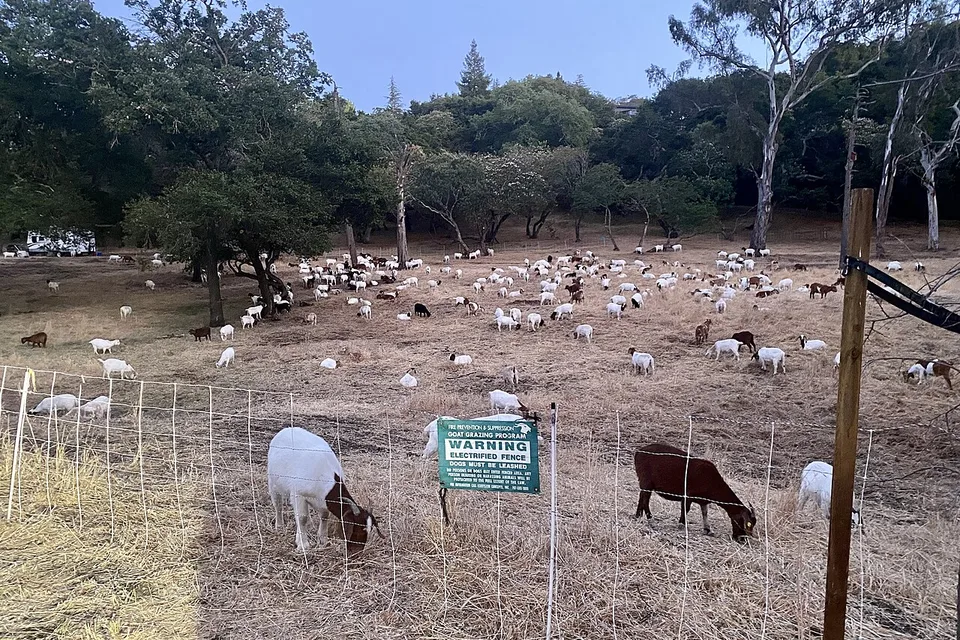

According to Mansour, insurers wouldn't underwrite the risk, so the herder came to Kalshi. "Within two hours the market started trading," he said, and the market priced a "10% chance of this thing happening." The herder "bought $50,000 at 10% which pays out $500,000 if the bad thing happens as a hedge as insurance." Mansour then said, "And it happened and he got paid $500,000," money he said the herder is using "to diversify his business and stay afloat for another 18 months."
That last claim is Mansour's account. We could not confirm it, and the public market result contradicts it (see below).
What the reporting shows
The business. CNBC identified the herder as Tim Arrowsmith of Western Grazers. The company has about 4,000 goats and eight herders, each paid $60,000 a year, or at least $70,000 counting flights and visas (CNBC, Aug. 13, 2026). Mansour's figure of 3,000 goats is lower.

The risk. A California wage exemption for goat herders expired on June 30, 2026. Without it, round-the-clock on-call pay could reach about $240,000 per herder per year, according to California Farm Bureau estimates cited by CNBC. Strictly speaking, the threat came from an expired exemption, not a new bill raising wages.
The hedge. The startup Castle Technologies structured the hedge and listed it on Kalshi, and trading firm Susquehanna priced the contract and took the other side (Kalshi News). Arrowsmith paid a 10% premium, $50,000, for a payout of up to $500,000 if California did not authorize an alternative wage or provide qualifying relief before Oct. 1, 2026. CNBC reported that if California did provide relief, Western Grazers would not receive the payment, "This is what Arrowsmith wants" (CNBC).
The outcome. The Legislature passed AB 187, a budget trailer bill, on Aug. 31. It lets goat herders on 24-hour on-call schedules be paid under the sheepherder monthly wage structure until Jan. 1, 2029 (OddsShopper). Gov. Gavin Newsom signed it on Sept. 18, 2026, as Chapter 256 (Office of the Governor; LegiScan). The next day, Kalshi's market "Will California authorize an alternative wage or other qualifying relief from goat-herder wage and overtime obligations before Oct 1, 2026?" resolved Yes (Kalshi market page). Under the contract terms CNBC reported, that means Western Grazers did not collect the $500,000. It paid $50,000 for protection it ended up not needing, and the wage relief it wanted came through.
Why the accounts may differ: Mansour said the story happened "a month or two ago," and the full episode was released on Oct. 29, 2026. He may have been speaking loosely or describing what the hedge was designed to do. Treat the "he got paid" line as unverified and contradicted by the public market result.
Why it matters
"A rancher should be able to hedge a bill just like a farmer hedges wheat," Castle CEO Lucas Cavalieri said in Kalshi's announcement (Kalshi News). Supporters see event contracts like this as a new kind of insurance against policy risk; critics question whether contracts on legislation belong on prediction markets at all. This article takes no side on the policy. CNBC notes that it has a commercial relationship with Kalshi, including a minority investment.
Who is Tarek Mansour?
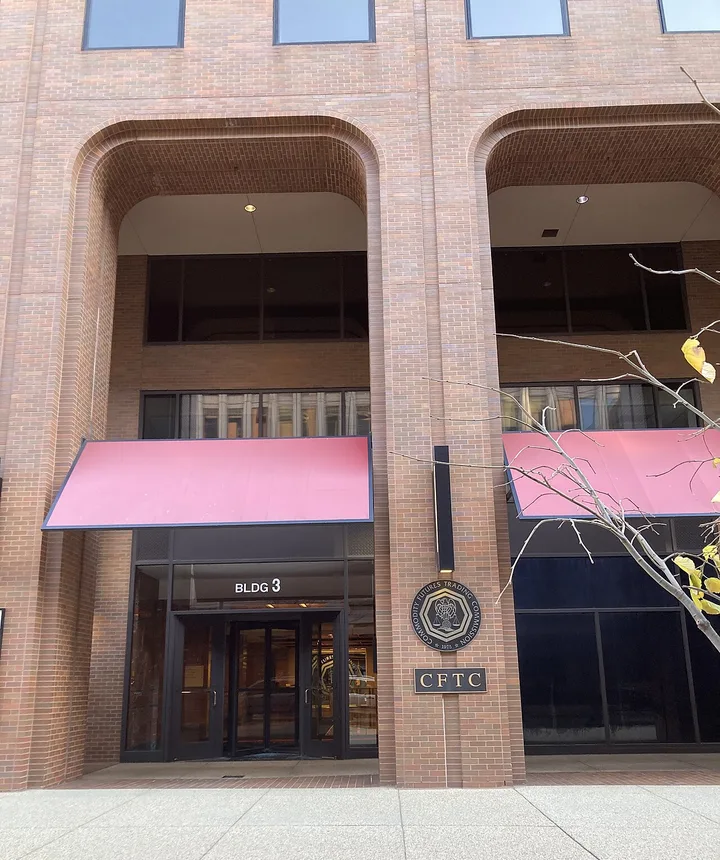
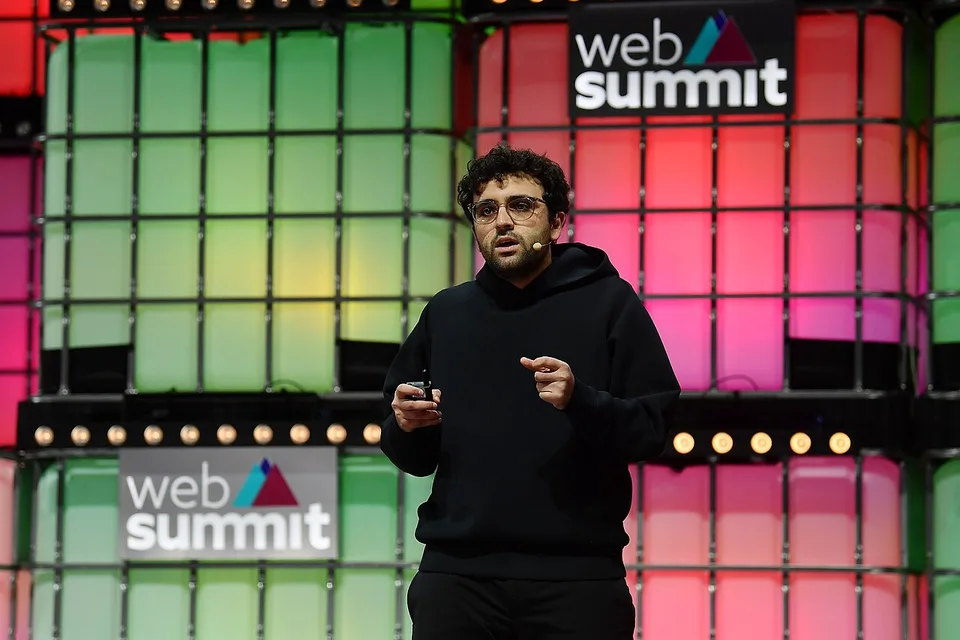
Tarek Mansour is the co-founder and CEO of Kalshi, a prediction-market exchange regulated by the U.S. Commodity Futures Trading Commission (CFTC). He co-founded the company with Luana Lopes Lara, whom he met at MIT (Forbes). The PBD Podcast is hosted by Patrick Bet-David.

FAQ
Who is the goat herder who hedged on Kalshi? Tim Arrowsmith, owner of Western Grazers in California, according to CNBC.
How much did the goat herder pay for the Kalshi hedge? $50,000, a 10% premium on a contract worth up to $500,000.
Did the goat herder get paid $500,000? Mansour said yes on the PBD Podcast. The public record says no: California enacted AB 187, the market resolved "Yes" on Sept. 19, 2026, and the payout condition (no relief) never happened.
What is AB 187? A 2026 California budget trailer bill that lets goat herders be paid under the sheepherder monthly wage structure until Jan. 1, 2029. It was signed on Sept. 18, 2026.