


Quick answer: On This Past Weekend w/ Theo Von #693, consumer advocate Lindsay Owens explained how her group's secret shopper study found Instacart showing different people different prices for the same items, at the same store, at the same time. The December 2025 report found price differences on 74% of items, with gaps up to 23%. Instacart ended those item price tests on Dec. 22, 2025.
Source: This Past Weekend w/ Theo Von #693, Consumer Advocate Lindsay Owens, clipped as a YouTube Short.
Who is Lindsay Owens?
Lindsay Owens, Ph.D., is executive director of the Groundwork Collaborative, a Washington, D.C., economic policy group. She's been a leading voice on corporate price gouging. She went on Theo Von's podcast to talk about her book, Gouged, about how technology is changing what we pay.
The secret shopper test
"We got these volunteer secret shoppers," Owens tells Von, "and we said, all right, fire up the Instacart app, set your pickup location," and buy the exact same items, like "a dozen Lucerne eggs." She uses "a Kroger in Nashville, Tennessee" as an example of how it worked, though the tests in the published report were run at Target and Safeway stores.
The published study, "Same Cart, Different Price," was released Dec. 9, 2025, by Groundwork with Consumer Reports and More Perfect Union. In September 2025, 437 volunteers shopped at the same time at two Target stores and three Safeway stores in Seattle, Washington, D.C., Saint Paul, Minnesota, and North Canton, Ohio.
What they found
"For 75% of the items in the cart, Instacart was charging different people different prices at the exact same time," Owens says. The report put it at 74%. "The price differences [were] as much as 23%," she adds. That matches the report's top gap.
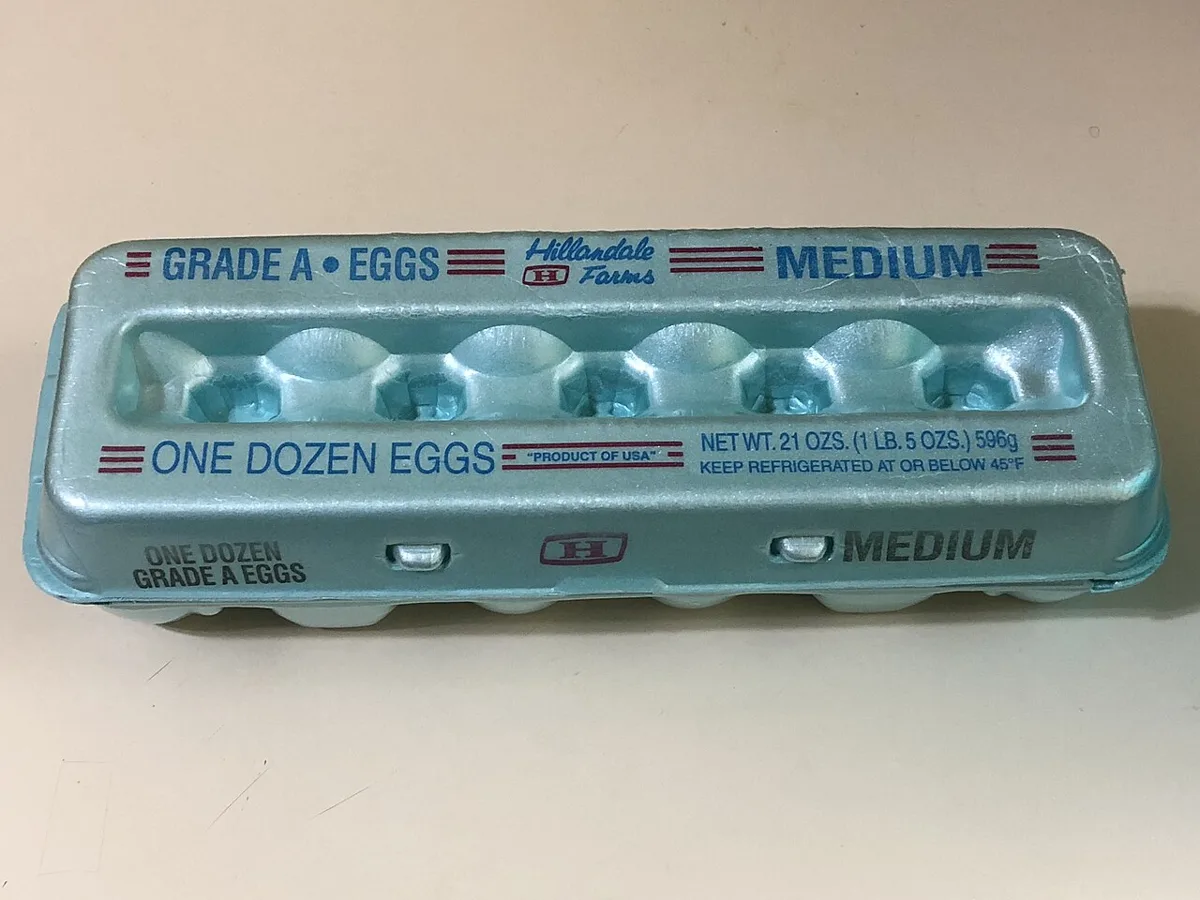
Eggs were a clear example. At a Safeway in Washington, D.C., the same dozen Lucerne eggs showed up at prices from $3.99 to $4.79. The researchers found that whole baskets differed by about 7% on average. For a household of four that shops this way all year, that could add up to roughly $1,200. A follow-up test in November 2025 found similar variation at stores including Albertsons, Costco, Kroger and Sprouts.

"Just experiments"
Owens says Instacart "basically admitted" what was happening. "They were just running experiments to see how much they could charge us for every item in the cart."
In Owens's telling, Instacart described it as "our typical A/B testing." The company said shoppers were randomly assigned to test groups. The Federal Trade Commission later opened an inquiry into Instacart's pricing tool, Eversight.
"Two weeks after the study was released, they folded," Owens says. On Dec. 22, 2025, Instacart announced it was ending item price tests on its platform, so shoppers at the same store at the same time would see the same price. It said it would still test promotions.

Why it matters
The fight isn't just about Instacart. Owens's larger argument is that apps can now set prices person by person and moment by moment, so two neighbors could pay different prices for the same eggs without knowing it.
More on RealNameOf:
- Theo Von's real name
- More Theo Von: Sophie Cunningham's Louis Vuitton bag
- More celebrity and podcast news
FAQ
Did Instacart charge different prices for the same item? Yes. A December 2025 study by Groundwork, Consumer Reports and More Perfect Union found different prices for 74% of items tested, with gaps up to 23%.
Does Instacart still run price tests? On Dec. 22, 2025, Instacart said it was ending item price tests, but it kept testing promotions.
Who is Lindsay Owens? Executive director of the Groundwork Collaborative and author of the book Gouged.
What is Theo Von's real name? Theodor Capitani von Kurnatowski III.